🐾 Learn more about your pet 🐾
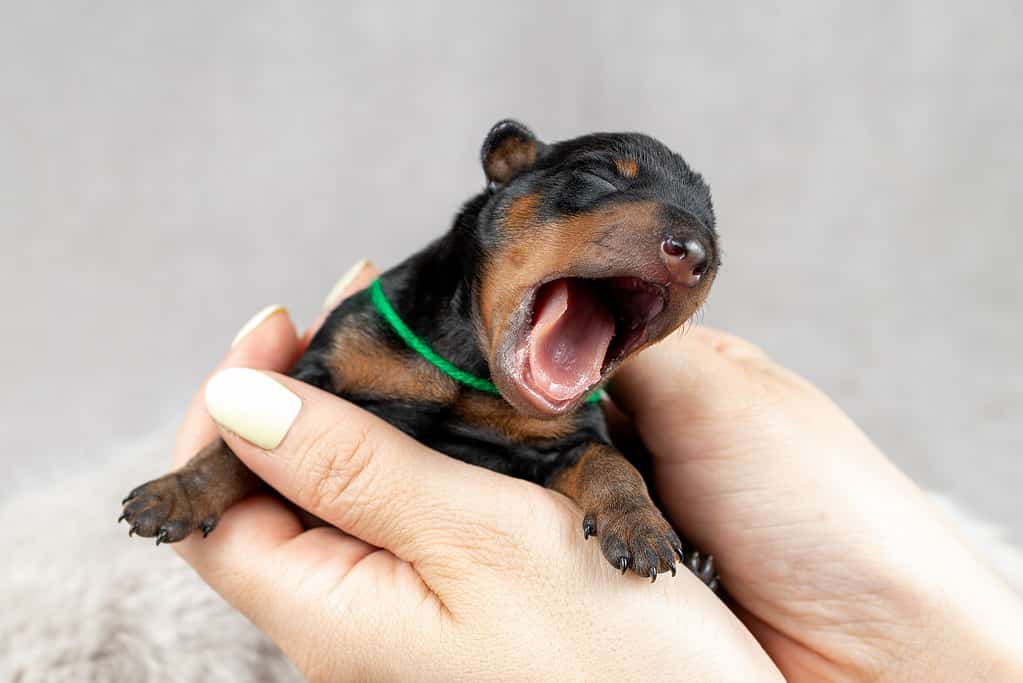
Daily Care & Health Checks
Regular health checks are important. Small pets can hide illness, so pay attention to changes in eating, energy, weight, or behavior. Providing the right environment, proper nutrition, and enough enrichment helps your pet live a longer, happier life.
Helping Your Pet Grow Happy & Healthy
With patience, gentle handling, and the correct care, even the tiniest pet can grow into a healthy, friendly companion. Understanding their specific needs is the first step toward giving your new pet the best possible life.
Providing consistent love and a safe environment will help your pet feel secure and thrive every day. The more time you spend learning your pet’s behavior and preferences, the easier it becomes to support their happiness and wellbeing.
Small Pet Care Guide
Caring for a small pet can be a wonderful experience, but it is important to remember that every species—and even every breed—has its own unique needs. Before bringing a new pet home, take time to learn about its natural behavior, diet, and environment. What works for one type of pet may not be healthy for another.
Understanding Your Pet's Specific Needs
Small animals such as hamsters, rabbits, guinea pigs, chinchillas, rats, or gerbils each require specific food, cage size, bedding, toys, and social interaction. Some need a quiet space with deep bedding to burrow, while others need large enclosures with room to jump or run. Certain breeds have sensitive stomachs, special grooming needs, or require more companionship than others. Because of these differences, new owners should always research the exact breed they choose.
🐾 Learn more about pet clinics 🐾
When Your Pet Needs a Health Check
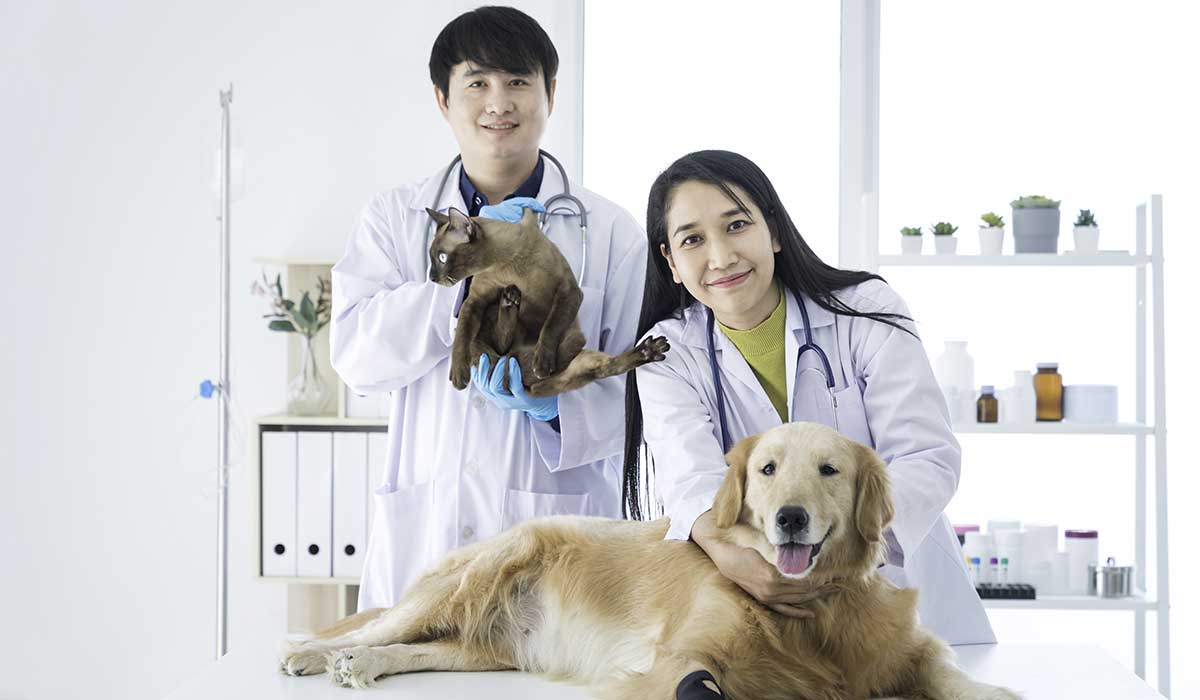
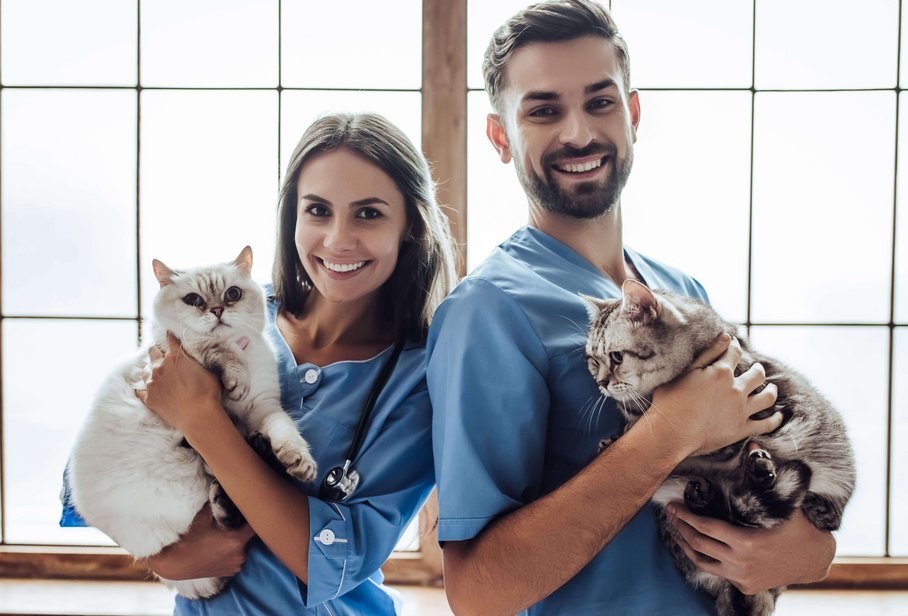
Regular visits to a pet clinic are essential for keeping your pet healthy. Animals often hide signs of discomfort, so watch closely for reduced appetite, unusual tiredness, or changes in behavior. Early examinations help catch problems before they become serious.
Understanding Clinic Care for Your Pet
Gentle handling, routine check-ups, and timely vaccinations are key to keeping your pet safe. Learning how your pet behaves normally makes it easier to spot when something is wrong and ensures that the veterinarian can provide the best possible care.
If you notice unusual odors, skin irritation, or your pet scratching more than usual, it could indicate that a grooming appointment—or a quick visit to a clinic—is needed to ensure their continued comfort and health.
Why Regular Vet Visits Matter
Taking your pet to a clinic regularly ensures they get the medical attention they need. Even when pets appear healthy, underlying issues can go unnoticed. Routine exams, vaccinations, and parasite prevention are important for long-term wellbeing.
Signs Your Pet May Need a Vet
Every species shows illness differently, but common signs include changes in eating habits, unusual hiding, excessive scratching, or avoiding play. If your pet suddenly becomes inactive or behaves strangely, it’s best to schedule a quick consultation with a professional. Early attention to these symptoms can help prevent minor issues from developing into serious health problems. Keeping a close eye on subtle shifts in your pet’s routine can make it easier to catch problems before they escalate into illness.
🐾 Learn more about pet behavior & grooming 🐾
Understanding Your Pet's Behavior
Pets communicate through body language, vocal sounds, and their daily habits. If your pet suddenly becomes less playful, hides more often, or behaves aggressively, it may be a sign of stress or discomfort. Observing these patterns helps you react quickly and support their emotional wellbeing.
Basic Training for a Happier Pet
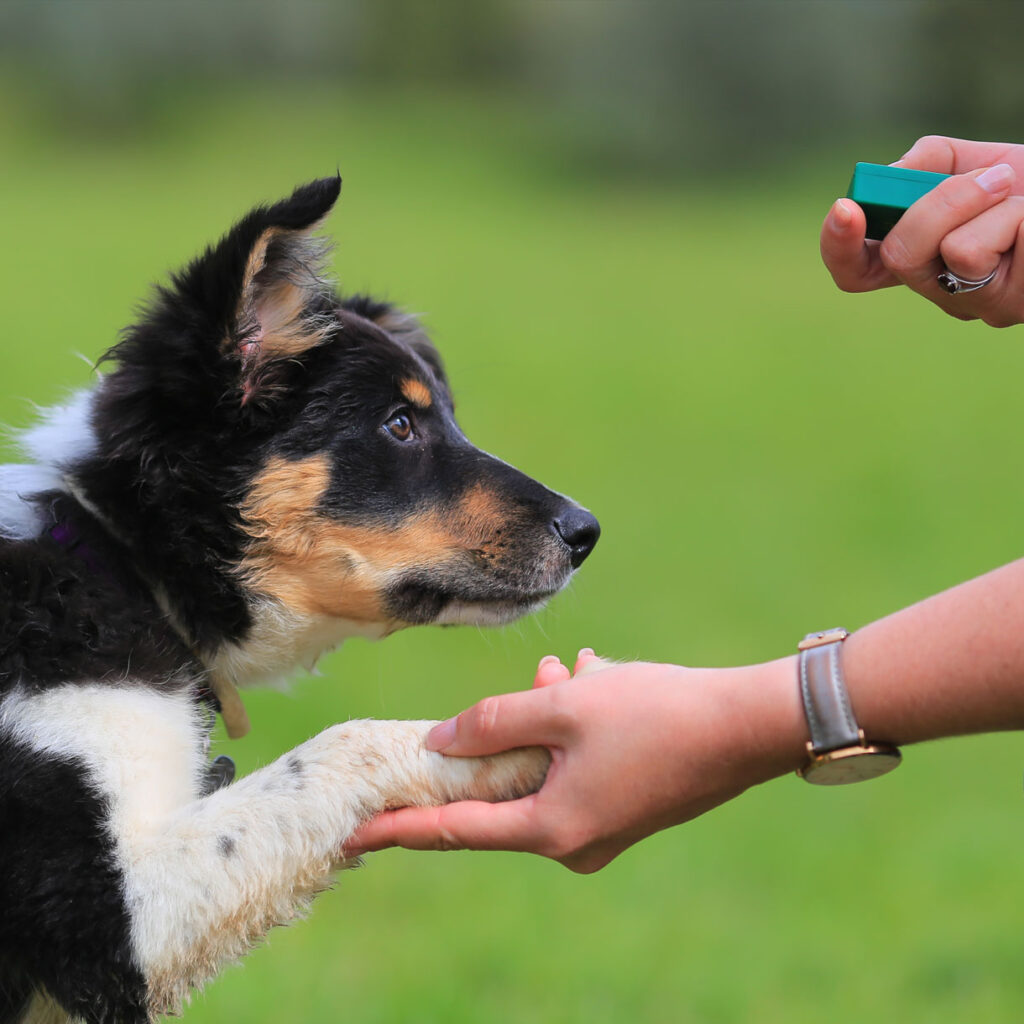
Simple training such as teaching commands, encouraging good habits, and rewarding positive behavior builds trust and reduces anxiety. Short, calm sessions work best, helping your pet feel confident and safe while learning new routines.
Regular mental stimulation—like toys, puzzles, or short play activities—keeps your pet active and prevents boredom-related behavior problems.
Pet Hygiene & Grooming Essentials
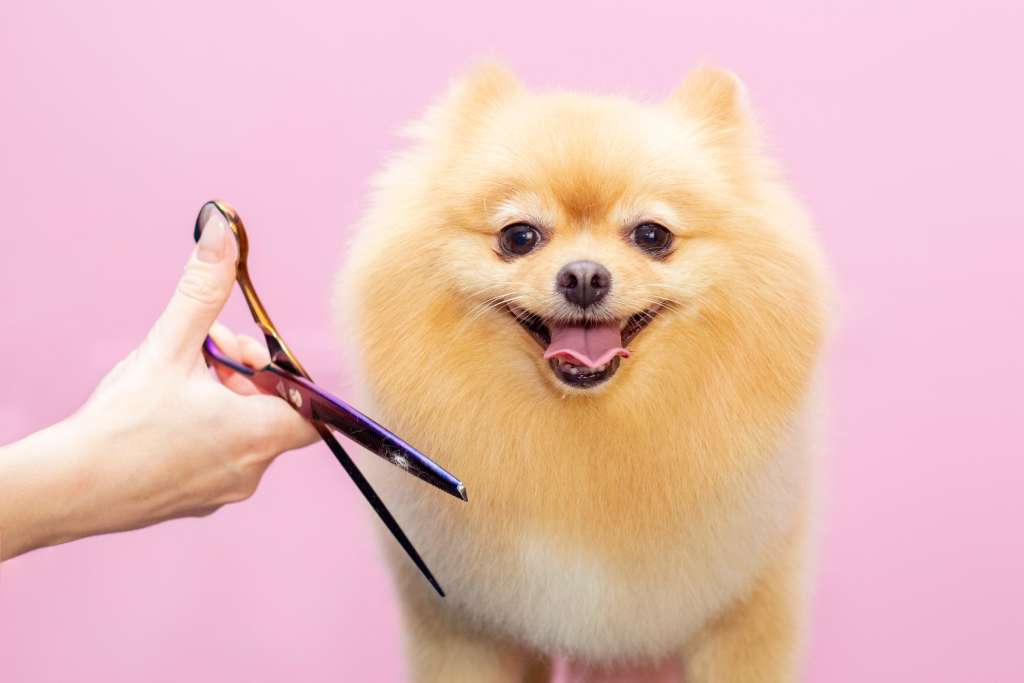
Proper grooming supports your pet’s comfort and health. Regular brushing removes loose fur, prevents tangles, and keeps the skin clean. For pets with long or thick coats, consistent grooming helps reduce overheating and shedding.
Keeping Your Pet Clean & Healthy
Nail trimming, ear cleaning, and occasional baths are important parts of pet hygiene. Ignoring these tasks may cause discomfort or infections. Understanding how often your pet needs grooming helps maintain their wellbeing and prevents future issues.
If you notice unusual odors, skin irritation, or your pet scratching more than usual, it could indicate that a grooming appointment—or a quick visit to a clinic—is needed. Addressing these signs early helps prevent minor issues from developing into more serious health concerns.